Beyond Gaming: VR Headsets for Business by 2026
For many, the mention of VR headsets still conjures images of exhilarating virtual battlefields, intricate puzzle worlds, or immersive social gaming experiences. While consumer gaming has undoubtedly been a powerful catalyst for VR technology, a significant paradigm shift is underway. By 2026, the humble
will shed its "gaming peripheral" label entirely, emerging as an indispensable tool transforming operations across diverse industries. The era of enterprise VR is not just on the horizon; it’s rapidly integrating into the core strategies of forward-thinking organizations.
The Evolving Landscape of VR in Enterprise
The journey of virtual reality from a niche, experimental technology to a strategic business asset has been swift and remarkable. Businesses are increasingly recognizing that the immersive capabilities of VR offer solutions to complex challenges that traditional methods simply cannot address. This evolution is driven by several factors: the increasing sophistication and affordability of hardware, robust software development, and a growing understanding of VR's tangible benefits in areas like efficiency, safety, and collaboration. As the global workforce becomes more distributed and the demand for innovative solutions intensifies, a is proving to be much more than a novelty; it's a vital component for future-proofing operations. Companies are no longer asking *if* VR will impact their sector, but *how* and *when*.
Distinguishing Business VR from Consumer VR
While devices like the Meta Quest 3 and Meta Quest 3S have popularized VR for home entertainment, the requirements for a are fundamentally different. Consumer headsets prioritize affordability, ease of use for gaming, and access to a broad app store. Enterprise-grade VR, however, demands a higher standard of performance, security, and manageability.
- Hardware Specifications: Business applications often require higher resolution displays for clarity in detailed tasks (e.g., medical imaging, architectural review), more powerful processors for complex simulations, and greater comfort for extended use. Durability and ease of sanitation are also crucial in shared business environments.
- Software Ecosystem: Unlike consumer models that rely on gaming platforms, business VR requires access to specialized enterprise applications, robust SDKs for custom development, and secure integration with existing IT infrastructure. Data security and privacy are paramount.
- Management and Support: Businesses need centralized device management solutions, enterprise-level warranties, and dedicated technical support. Consumer devices typically lack these critical features, which are non-negotiable for large-scale deployments.
- Security and Data Integrity: For enterprise use, the security protocols governing data transmission, user authentication, and application access must meet stringent corporate standards, far exceeding the typical consumer model.
Understanding these distinctions is critical. For a deeper dive into these differences, you might find our article Comparing Consumer VR Headsets and Business Needs particularly insightful.
Key Business Applications for VR Headsets by 2026
The versatility of VR headsets means their applications span nearly every industry. By 2026, many of these will move from experimental pilots to established operational practices.
Immersive Training and Simulation
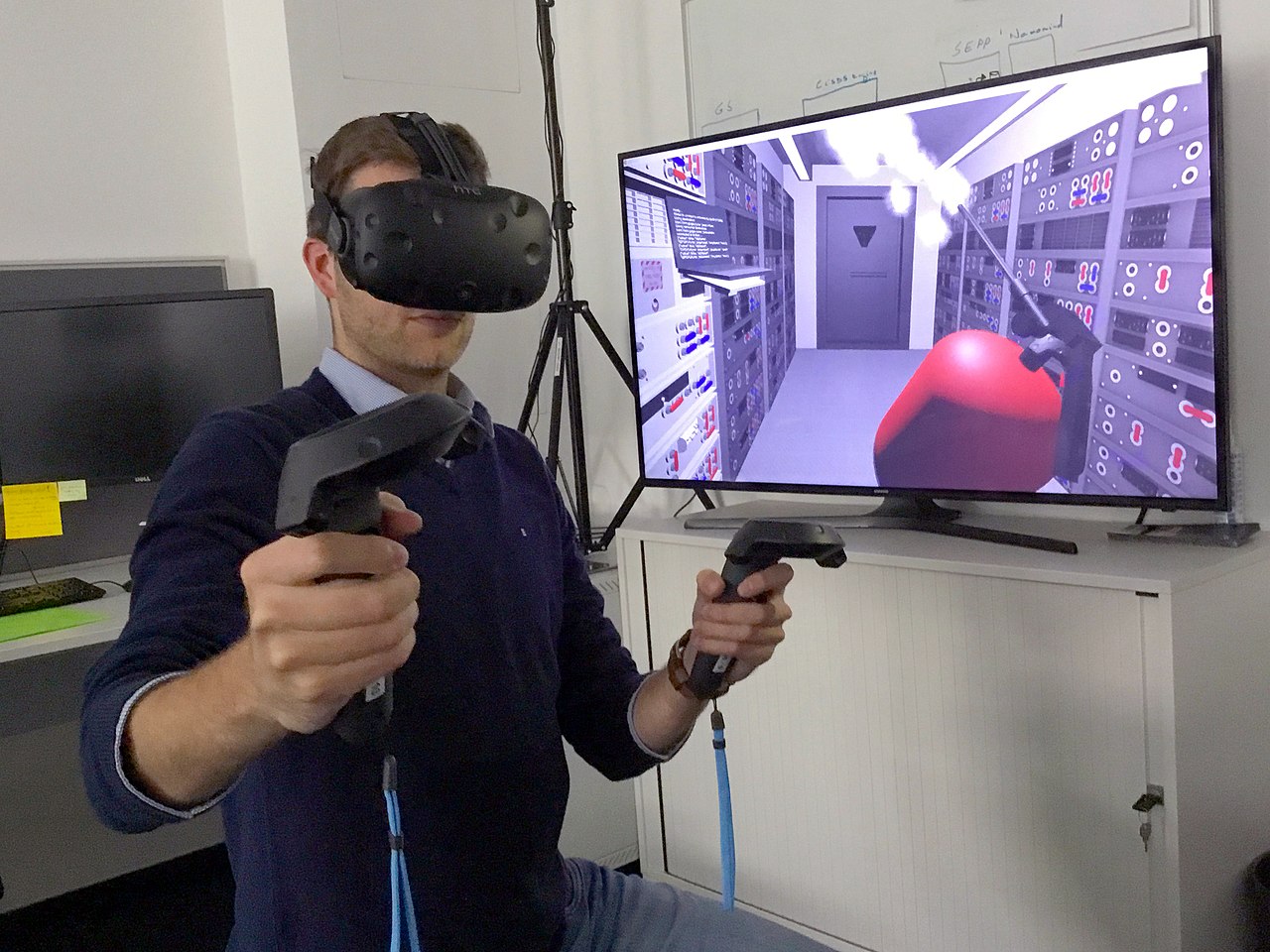
Perhaps one of the most impactful applications of a is in training. VR offers a safe, repeatable, and highly effective environment for learning complex skills or preparing for hazardous situations.
- Healthcare: Surgeons can practice intricate procedures, nurses can simulate emergency responses, and medical students can explore human anatomy in 3D.
- Manufacturing and Logistics: Employees can learn to operate machinery, assemble complex components, or manage warehouse logistics without disrupting live operations or risking expensive equipment.
- Aviation and Defense: Pilots, engineers, and ground crews can undergo realistic simulations for maintenance, flight training, and mission rehearsal.
- Soft Skills Training: VR can also be used for empathy training, customer service role-playing, and leadership development, allowing employees to experience and react to realistic scenarios.
The ability to train in a consequences-free environment leads to higher knowledge retention, reduced training costs, and ultimately, a more skilled and confident workforce.
Collaborative Workspaces and Remote Meetings
With the continued rise of remote and hybrid work models, traditional video conferencing often falls short in fostering genuine connection and collaborative engagement. VR transforms virtual meetings into immersive experiences.
- Virtual Meeting Rooms: Teams can gather in persistent, customizable 3D spaces, complete with whiteboards, shared screens, and spatial audio that mimics real-world interactions. This provides a stronger sense of presence than flat video calls.
- Design Reviews and Prototyping: Geographically dispersed design teams can collaboratively review 3D models of products, buildings, or urban plans in real-time, making adjustments and providing feedback as if they were in the same room.
- Digital Twins: Engineers and operations teams can interact with digital replicas of physical assets (factories, power plants) in VR, allowing for remote monitoring, maintenance planning, and problem-solving.
This enhanced sense of co-presence and interaction significantly boosts productivity and reduces the need for expensive business travel.
Design, Prototyping, and Visualization
For industries heavily reliant on visual concepts and physical prototypes, VR is a game-changer.
- Architecture and Construction: Clients and stakeholders can "walk through" proposed buildings or urban developments before they are built, identifying potential issues or suggesting changes much earlier in the design process.
- Automotive and Product Design: Designers can rapidly iterate on vehicle interiors, product ergonomics, or aesthetic features, viewing and manipulating full-scale 3D models. This accelerates the design cycle and reduces the need for costly physical mock-ups.
- Data Visualization: Complex datasets can be rendered in immersive 3D environments, allowing analysts to identify patterns and insights that might be missed on a 2D screen.
The ability to visualize and interact with designs in true-to-scale 3D environments accelerates decision-making and reduces costly errors.
Retail, Marketing, and Customer Experience
VR also opens up innovative avenues for engaging customers and showcasing products.
- Virtual Showrooms: Customers can explore a retailer's entire product line in a virtual store from the comfort of their home, interacting with items as if they were physically present.
- Immersive Product Demos: High-value products, such as cars or real estate, can be presented with interactive VR experiences, allowing potential buyers to customize and explore every detail.
- Experiential Marketing: Brands can create memorable, immersive experiences that go beyond traditional advertising, building deeper connections with consumers.
These applications provide unique customer engagement opportunities and offer new revenue streams for businesses.
Selecting the Right VR Headset for Your Business Needs
Choosing the correct is a strategic decision that goes beyond simply picking the latest model. It requires a careful assessment of specific use cases, budget constraints, and long-term scalability.
Beyond the Gaming Specs: What Enterprise Demands
When evaluating a VR headset for enterprise adoption, consider these critical factors:
* Performance and Fidelity: Look for high-resolution displays (e.g., 2K per eye or higher) for clarity in detailed tasks, a wide field of view (FOV) for immersion, and robust processing power to handle complex enterprise applications without lag.
* Comfort and Ergonomics: Employees may wear headsets for extended periods. Prioritize lightweight designs, balanced weight distribution, and adjustable straps for various head sizes.
* Tracking Accuracy: Precise inside-out tracking (no external sensors needed) is crucial for seamless interaction and natural movement within virtual environments.
* Security Features: Enterprise devices should offer robust encryption, secure boot processes, user authentication, and data privacy controls essential for corporate environments.
* Device Management: Integration with Mobile Device Management (MDM) platforms is vital for managing multiple headsets, deploying software updates, and troubleshooting issues remotely.
* Connectivity: Reliable Wi-Fi 6/6E, Bluetooth, and possibly wired options (USB-C) for data transfer and charging are important.
* Battery Life: Adequate battery life for typical work sessions (ideally 2-3 hours minimum, with quick-charge capabilities or swappable batteries) is a practical consideration.
* Enterprise Support and Warranty: Unlike consumer products, businesses need dedicated support channels, longer warranties, and often service level agreements (SLAs).
* Content Ecosystem and Customization: Evaluate the availability of business-specific apps, SDKs for custom development, and compatibility with leading enterprise platforms.
For those considering popular consumer devices for business use, it's essential to scrutinize their enterprise readiness. For example, our detailed analysis in Is Meta Quest 3 Ready for Enterprise Use Cases? provides insights into how consumer-focused hardware might (or might not) align with demanding business requirements.
Practical Tips for Businesses Adopting VR
Implementing VR successfully in an enterprise setting requires careful planning:
- Define Clear Objectives: Before investing, identify specific business problems VR will solve and measurable KPIs for success.
- Start Small with Pilot Programs: Begin with a limited deployment in one department or for a specific use case to gather feedback and refine your strategy.
- Involve End-Users Early: Solicit input from the employees who will actually use the VR headsets. Their feedback is invaluable for adoption and success.
- Invest in Content Creation: Off-the-shelf solutions are available, but custom content tailored to your specific needs will yield the best results. Budget for development or work with specialized VR agencies.
- Address IT and Security Concerns: Work closely with your IT department to ensure seamless integration, data security, and network compatibility.
- Provide Adequate Training and Support: Don't just hand over headsets; provide comprehensive training on how to use the devices and applications effectively, along with ongoing technical support.
- Plan for Scalability: Consider how your VR solution will grow with your business and what infrastructure will be needed for wider adoption.
By 2026, the notion of a being a niche or experimental tool will be largely obsolete. It will be as common and critical as laptops and smartphones are today, driving innovation, enhancing collaboration, and creating unparalleled efficiencies across a multitude of sectors. Embracing this transformative technology now will position businesses at the forefront of their industries, ready to navigate the complexities and opportunities of the future.